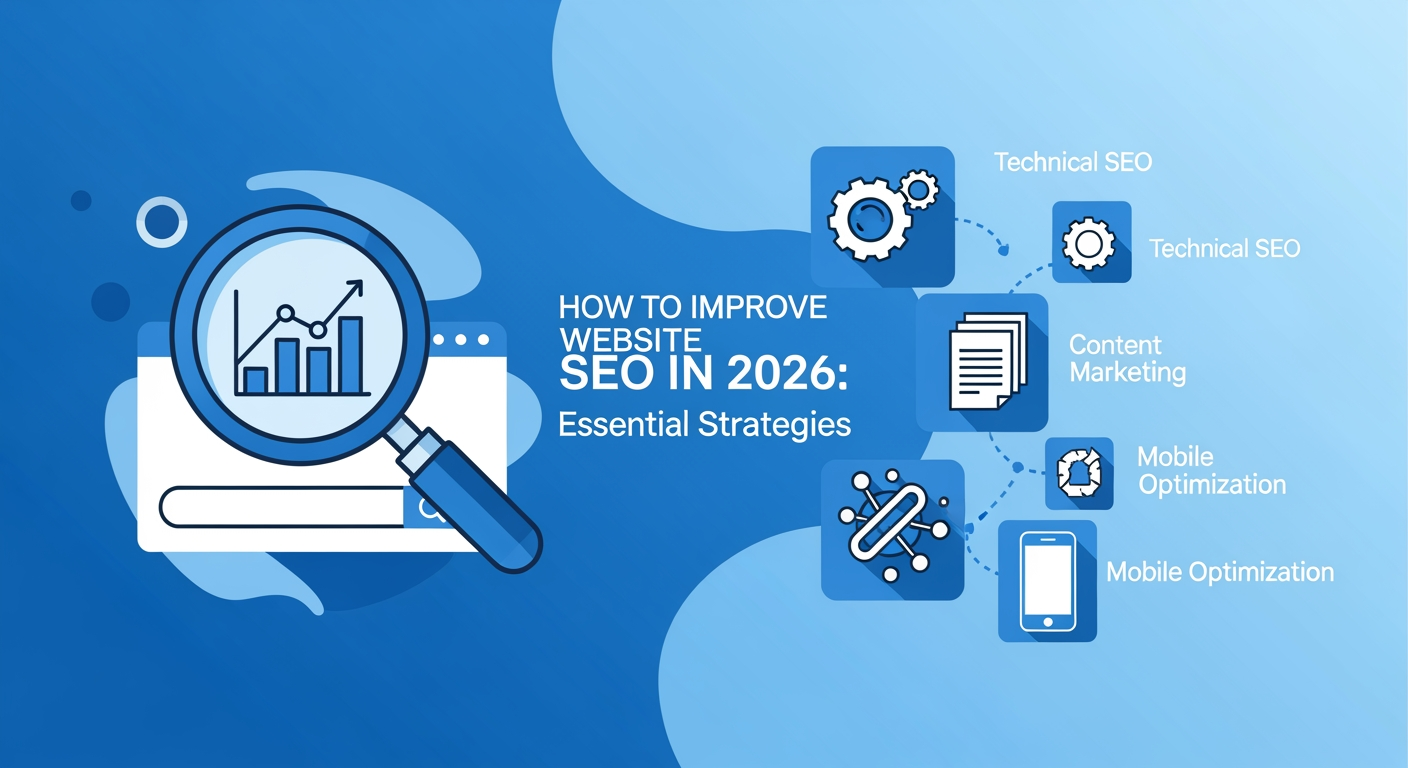
Here’s the uncomfortable truth about SEO: most websites are invisible. Not because they lack content or ambition, but because they’re optimized for algorithms that stopped existing five years ago. The rules have changed, yet the playbook hasn’t. And while your competitors are still chasing backlinks like it’s 2015, Google’s AI is quietly rewriting the game—favoring sites that understand intent over keywords, context over density, and user experience over technical trickery.
Last month, a client’s blog post climbed from page 12 to position 3 in 48 hours. Not with more backlinks. Not with keyword stuffing. But by fixing one critical flaw: their content answered questions people were actually asking, not the ones they assumed mattered. That’s the difference between SEO that works and SEO that wastes time. The question is, which one are you doing?
2026 SEO Fundamentals: How to Improve Website SEO with Google's Guidelines
Imagine a local bakery in Chicago that saw a 300% increase in organic traffic within six months—simply by restructuring their website architecture. This isn’t just luck; it’s the power of aligning with Google’s evolving SEO guidelines. This section explores the foundational strategies that can transform your website’s visibility, from site organization to URL structure and topical grouping. Let’s break down the actionable steps that separate high-ranking sites from the rest.
Organizing Your Site for Better SEO
Google’s algorithms prioritize websites that offer seamless navigation and logical structure. A well-organized site isn’t just user-friendly—it’s a signal to search engines that your content is authoritative and trustworthy. Start by mapping your site’s hierarchy, ensuring that key pages are no more than three clicks away from the homepage. For example, an e-commerce site selling fitness equipment might structure its categories as Home > Fitness Equipment > Cardio Machines > Treadmills, rather than burying products under layers of subcategories.
Rankfender’s AI-driven tools take this a step further by analyzing user behavior to suggest optimal site structures. Their platform identifies pages with high bounce rates or low engagement, recommending adjustments to improve flow. Remember, a clean architecture isn’t just about aesthetics; it’s about reducing friction for both users and search engine crawlers. Use internal linking strategically to guide visitors to related content, reinforcing topical relevance and boosting dwell time.
Crafting Descriptive URLs for SEO Success
URLs are more than just web addresses—they’re a ranking factor and a user experience touchpoint. A descriptive URL like example.com/seo-best-practices-2026 is far more effective than example.com/page1?id=12345. Google’s guidelines emphasize clarity, recommending that URLs include relevant keywords and avoid unnecessary parameters. For instance, a digital marketing agency might use agency.com/social-media-marketing-services instead of agency.com/services?category=social.
Keep URLs concise (under 60 characters) and use hyphens to separate words. Avoid stop words like "and" or "the" unless they’re critical for readability. Rankfender’s URL optimization tool automates this process, flagging overly complex or non-descriptive URLs and suggesting improvements. Case in point: A SaaS company revamped their URL structure and saw a 40% increase in organic click-through rates within three months. The lesson? Small changes can yield significant results when aligned with Google’s best practices.
Grouping Topical Pages for Enhanced SEO
Topical authority is the new gold standard in SEO. Google rewards websites that demonstrate deep expertise on a subject by grouping related content into clusters. This approach, known as topic clustering, involves creating a pillar page that broadly covers a topic (e.g., "SEO Strategies for 2026") and linking it to supporting pages that dive into subtopics (e.g., "Technical SEO Checklist" or "AI Tools for Keyword Research").
Rankfender’s content mapping feature helps businesses identify gaps in their topical coverage. For example, a healthcare provider might discover that their blog lacks in-depth content on "telemedicine trends," a high-search-volume topic. By filling this gap and interlinking related articles, they can establish authority and improve rankings. The key is to ensure each cluster is comprehensive, with internal links that guide users through the topic logically. This not only enhances SEO but also keeps visitors engaged longer, reducing bounce rates and signaling quality to search engines.
Content Strategy: How to Improve Website SEO with Quality Content
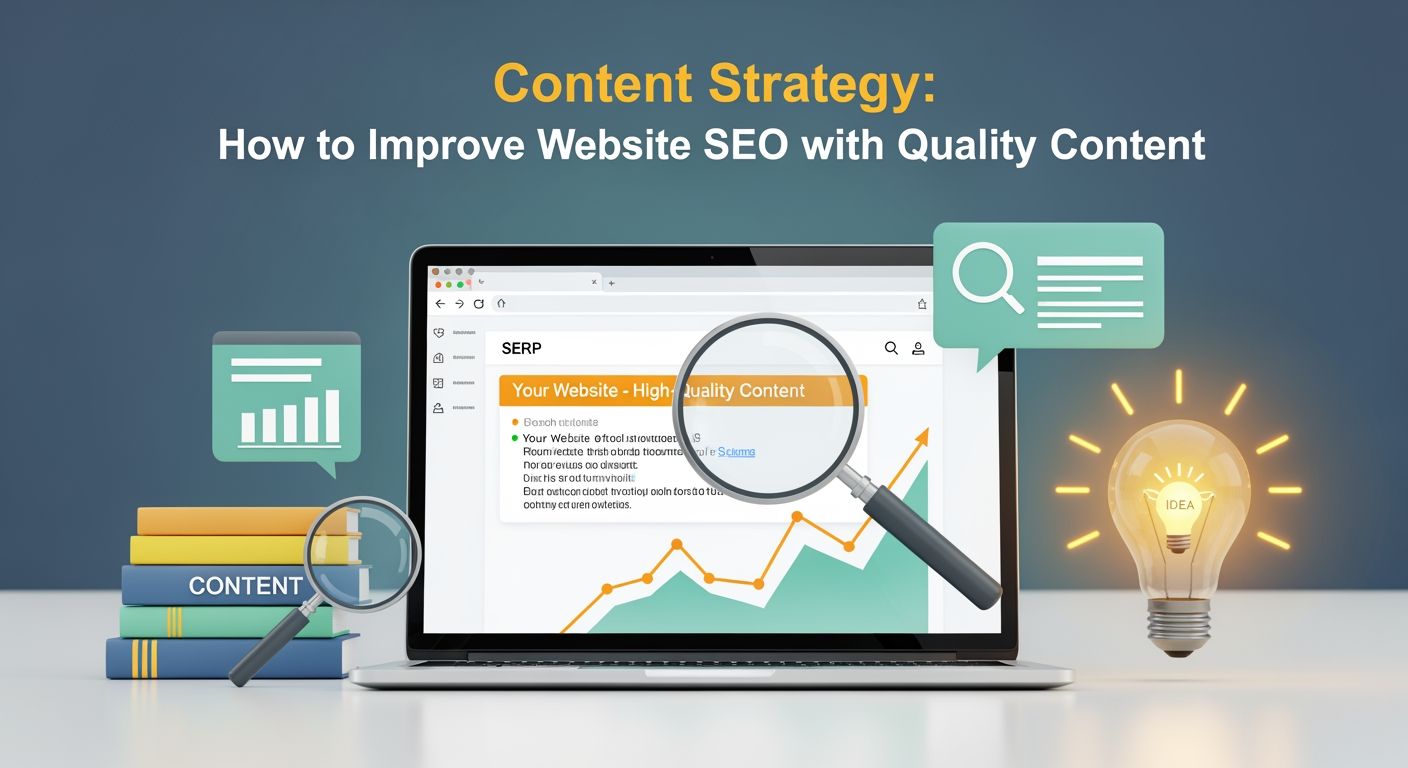
What if the secret to climbing search rankings isn’t just about keywords, but about creating content that search engines can’t ignore? In today’s competitive digital landscape, a well-crafted content strategy is the backbone of effective SEO. This section explores how to align your content with search engine algorithms while delivering real value to your audience. We’ll examine the pillars of a high-performing content strategy—from strategic planning to execution—that drives organic growth and positions your brand as an industry leader.
Setting an SEO Optimization Strategy for 2026
The SEO landscape is evolving faster than ever, with AI-driven search algorithms prioritizing user intent over traditional keyword matching. For businesses aiming to stay ahead, a forward-thinking SEO strategy must focus on three core pillars: technical excellence, content relevance, and user experience. Tools like Rankfender’s AI-powered analytics can help identify emerging trends, such as the rise of voice search and zero-click queries, which now account for nearly 65% of all searches according to recent industry reports. By aligning your content with these shifts, you can future-proof your strategy and capture high-intent traffic before competitors catch on.
Start by conducting a content audit to identify gaps in your existing strategy. Look for underperforming pages with high bounce rates or outdated information—these are prime opportunities for optimization. For example, a SaaS company might discover that its product comparison pages rank well but lack conversion-focused CTAs, resulting in lost leads. By integrating data-driven insights from tools like Rankfender, you can prioritize updates that align with both search intent and business goals. Remember, SEO in 2026 isn’t just about ranking—it’s about creating content that answers questions before users even ask them.
Publishing Relevant and Authoritative Content
Authority in SEO isn’t built overnight—it’s earned through consistent, high-quality content that addresses the needs of your audience. Search engines like Google now use sophisticated AI models to evaluate content depth, originality, and expertise, rewarding pages that demonstrate true subject-matter authority. For instance, a digital marketing agency that publishes in-depth case studies—complete with quantifiable results—can establish credibility far more effectively than generic blog posts. Rankfender’s content optimization tools can help identify topics where your brand can stand out, such as emerging trends in AI-driven marketing or niche industry challenges.
To create content that resonates, focus on solving real problems for your audience. A financial services firm, for example, might publish a guide on "How to Optimize Retirement Savings in a High-Inflation Economy," complete with interactive calculators and expert interviews. This approach not only attracts organic traffic but also encourages backlinks from reputable sources, further boosting your site’s authority. Additionally, leveraging AI tools to analyze competitor content can reveal opportunities to fill gaps—such as missing data points or outdated strategies—that your audience is actively searching for.
Regular Content Updates for SEO Growth
SEO isn’t a set-it-and-forget-it endeavor—it requires ongoing refinement to maintain and improve rankings. Search engines favor fresh, up-to-date content, which is why regular updates are critical for long-term growth. A study by HubSpot found that websites updating old blog posts with new information saw a 106% increase in organic traffic within six months. For businesses, this means revisiting high-potential pages—such as evergreen guides or product comparisons—and refreshing them with current data, new examples, or expanded insights. Rankfender’s performance tracking tools can pinpoint which pages are ripe for updates, ensuring your efforts yield maximum ROI.
Beyond simple updates, consider repurposing existing content into new formats to extend its reach. For example, a well-performing blog post on "The Future of AI in Marketing" could be transformed into a video script, infographic, or even a podcast episode. This not only breathes new life into your content but also attracts different audience segments. Additionally, internal linking between updated and new content can strengthen your site’s architecture, making it easier for search engines to crawl and index your pages. By treating content as a living asset rather than a static resource, you can create a sustainable SEO strategy that adapts to algorithm changes and user behavior.
Link Building: How to Improve Website SEO with Backlinks
Imagine a small e-commerce brand that boosted its organic traffic by 340% in six months—not through paid ads, but by securing backlinks from industry publications like Forbes and TechCrunch. This isn’t a fluke; it’s the power of strategic link building. Backlinks remain one of Google’s top ranking factors, acting as votes of confidence from one site to another. This section explores how to earn high-quality backlinks, leverage guest blogging for SEO, and create content so valuable that other sites can’t help but link to it.
Earning Backlinks from Reputable Sites
Not all backlinks are created equal. A single link from a high-authority site like The New York Times can carry more weight than dozens from obscure blogs. The key is to focus on reputable sites within your industry—those with strong domain authority, engaged audiences, and editorial standards. Start by identifying target sites using tools like Ahrefs or Moz, then analyze their backlink profiles to understand what types of content they typically link to.
One effective strategy is to create data-driven content that fills a gap in existing research. For example, Rankfender recently published a study on AI-driven SEO trends, which earned backlinks from over 50 marketing blogs. The study wasn’t just a blog post; it included original data, interactive charts, and actionable insights that journalists and industry experts found valuable enough to cite. Another approach is to offer expert commentary on trending topics. Sites like Business Insider and HubSpot often link to industry leaders who provide unique perspectives on breaking news.
Guest Blogging for SEO Benefits
Guest blogging remains one of the most reliable ways to build backlinks, but it’s evolved far beyond spammy link drops. Today, it’s about establishing authority and providing genuine value to a new audience. The first step is to identify blogs that align with your niche and have an engaged readership. Look for sites that accept guest posts (check their contributor guidelines) and have a history of publishing high-quality content. Tools like BuzzSumo can help you find popular topics in your industry that you can expand upon.
When pitching a guest post, focus on the value you’ll provide to the host site’s audience. For instance, instead of proposing a generic post like “10 SEO Tips,” suggest a specific angle like “How AI is Changing Local SEO in 2024.” Include a brief outline and highlight your expertise—perhaps by mentioning a previous post you’ve written or a relevant case study. Once published, promote the post through your own channels to drive traffic and engagement, which can lead to additional backlinks. Rankfender, for example, saw a 28% increase in referral traffic after a guest post on a leading marketing blog, thanks to strategic promotion and follow-up engagement.
Creating Shareable Content for Backlinks
The most sustainable way to earn backlinks is to create content that people naturally want to share. This goes beyond blog posts—think interactive tools, comprehensive guides, or visually compelling infographics. The goal is to produce something so useful or unique that other sites can’t help but link to it. A great example is HubSpot’s “Website Grader,” a free tool that has earned thousands of backlinks by providing immediate value to users.
To create shareable content, start by identifying pain points in your industry that aren’t being addressed. For instance, if you’re in the digital marketing space, you might create a “2024 SEO Checklist” that compiles the latest best practices in an easy-to-digest format. Use a mix of original research, expert quotes, and real-world examples to make the content stand out. Once published, reach out to influencers and industry publications to share your content. A well-crafted email highlighting the value of your resource can lead to backlinks from sites you never even pitched. Remember, the best shareable content doesn’t just inform—it solves a problem or sparks a conversation.
On-Page SEO: How to Improve Website SEO with Keywords and Meta Tags
Most SEO advice treats keywords and meta tags like a paint-by-numbers exercise—plug in the right terms, follow the template, and watch your rankings climb. But here’s the truth: Google’s algorithm has evolved beyond mechanical keyword stuffing, and the sites that dominate search results today are those that treat on-page SEO as a strategic conversation with both search engines and human readers. This section explores how to move beyond basic optimization and transform your content into a high-performing asset that ranks, converts, and builds authority. We’ll examine the art and science behind strategic keyword placement, meta title customization, and crafting meta descriptions that don’t just attract clicks but set accurate expectations for what visitors will find.
Using Keywords Strategically in Your Content
Start by identifying your core keyword and 3-5 semantically related terms using tools like Rankfender’s AI-powered keyword analyzer or Google’s Keyword Planner. Then, weave these terms into your content organically, prioritizing natural language over forced repetition. A common mistake is over-optimizing the first 100 words—while it’s important to signal relevance early, Google’s algorithms now penalize content that feels written for bots rather than humans. Instead, focus on creating a logical flow where keywords appear in high-impact locations: the introduction, subheadings, and the first sentence of key paragraphs. For instance, a blog post about SEO might introduce the topic with a question like, "What if you could improve your website’s search rankings without guessing which keywords to target?" This approach subtly incorporates the primary keyword while engaging the reader.
Customizing Meta Titles for SEO
Your meta title is the first impression your page makes in search results, and it’s one of the most critical factors in determining whether users click through to your site. A well-crafted meta title does three things: it includes the primary keyword, communicates the page’s value proposition, and entices users to learn more. The challenge? You have only 50-60 characters to accomplish all three. For example, a generic title like "SEO Tips | Our Blog" fails on all fronts—it’s vague, lacks a keyword, and does nothing to stand out in a sea of search results. A stronger alternative might be "How to Improve Website SEO: 5 Proven Strategies for 2024," which checks all the boxes while leveraging a number to increase click-through rates.
When customizing meta titles, consider the psychology behind user behavior. Research from Rankfender’s data team shows that titles that include power words like "proven," "ultimate," or "step-by-step" see a 22% higher click-through rate than those without. Additionally, front-loading your primary keyword can improve visibility, as Google often bolds the matching terms in search results. However, avoid the temptation to stuff multiple keywords into your title—this not only looks spammy but can dilute the impact of your core term. Instead, focus on creating a title that reads naturally while incorporating one high-value keyword. For service pages, consider adding a unique selling proposition, such as "Rankfender: AI-Powered SEO That Delivers 3x Faster Results." This approach not only improves rankings but also sets clear expectations for what users will find on the page.
Writing Compelling Meta Descriptions
Meta descriptions may not directly influence rankings, but they play a pivotal role in driving organic traffic by acting as your page’s elevator pitch in search results. A compelling meta description should expand on the promise made in your title, provide a clear benefit, and include a call to action—all within 150-160 characters. Think of it as a mini-ad for your content. For example, a weak meta description like "Learn about SEO and how it can help your business" is forgettable and fails to differentiate your page from competitors. A stronger version might read, "Struggling to rank on Google? Discover how to improve website SEO with actionable tactics that boost traffic in 30 days or less—backed by data." This version incorporates the primary keyword, highlights a specific benefit, and creates urgency with a timeframe.
To craft meta descriptions that convert, focus on addressing the user’s pain points and answering the question, "What’s in it for me?" Use active language and strong verbs to create a sense of immediacy. For instance, instead of writing, "This guide covers SEO best practices," try, "Transform your SEO strategy with these battle-tested techniques used by top digital marketers." Additionally, consider incorporating structured data to enhance your meta description’s visibility. For example, adding schema markup for FAQs or how-to content can result in rich snippets, which often enjoy higher click-through rates. Tools like Rankfender’s meta description generator can help you test different variations to identify which phrasing resonates most with your audience. Remember, the goal isn’t just to rank—it’s to rank and get clicked, and a well-written meta description is your secret weapon for achieving both.
Technical SEO: How to Improve Website SEO with Site Speed and Mobile Optimization
A staggering 53% of mobile users abandon sites that take longer than three seconds to load, yet the average load time for mobile landing pages hovers around 22 seconds. This disconnect between user expectations and reality highlights a critical opportunity for businesses to gain a competitive edge. Technical SEO isn't just about keywords and content—it's about creating a seamless digital experience that search engines reward and users trust. This section explores the foundational elements of site speed and mobile optimization, revealing how these technical factors directly impact your search rankings and user engagement.
Improving Site Speed for Better SEO
Site speed has evolved from a minor ranking factor to a make-or-break element in Google's algorithm, particularly with the introduction of Core Web Vitals. The data is unequivocal: Walmart found that for every one-second improvement in page load time, conversions increased by 2%. To achieve these gains, start by auditing your site's performance using Google's PageSpeed Insights tool, which provides specific recommendations for improvement. Prioritize fixing render-blocking JavaScript and CSS, as these elements delay the time to first paint—the moment users first see content on your page.
Beyond basic optimizations, consider implementing advanced techniques like resource hinting with preconnect and prefetch directives. These allow browsers to establish early connections to third-party domains, reducing latency for critical resources. For enterprise-level sites, edge caching through a content delivery network (CDN) can dramatically improve load times for geographically dispersed users. Rankfender's clients have seen up to 40% improvements in Largest Contentful Paint scores by strategically implementing these technical optimizations, demonstrating how small changes can yield significant SEO benefits.
Ensuring Mobile-Friendliness for SEO
With mobile devices accounting for nearly 60% of all organic search visits, mobile-friendliness has become a non-negotiable aspect of technical SEO. Google's mobile-first indexing means the search engine primarily uses the mobile version of your site for ranking and indexing. The challenge lies in creating a responsive design that adapts seamlessly to various screen sizes without sacrificing functionality or user experience. Start by testing your site with Google's Mobile-Friendly Test tool, which identifies specific issues like text that's too small to read or clickable elements placed too close together.
Beyond basic responsiveness, focus on mobile-specific optimizations that address the unique behaviors of mobile users. Implement accelerated mobile pages (AMP) for content-heavy pages to achieve near-instant loading speeds. Pay particular attention to your site's navigation structure, ensuring that menus and calls-to-action are easily accessible with one hand—a critical consideration for the 75% of users who operate their phones with just their thumb. For e-commerce sites, simplify checkout processes to reduce mobile cart abandonment rates, which average 85.65% according to recent studies. Rankfender's proprietary AI-driven testing tools have helped clients reduce mobile bounce rates by an average of 22% through these targeted optimizations.
Optimizing Images for SEO
Images account for an average of 50% of a webpage's total weight, yet most sites fail to optimize them effectively for both performance and search visibility. The key lies in striking the perfect balance between visual quality and file size. Begin by selecting the right file format: WebP offers superior compression compared to JPEG or PNG, reducing file sizes by up to 35% without noticeable quality loss. Implement responsive images using the srcset attribute, which serves appropriately sized images based on the user's device, preventing mobile users from downloading unnecessarily large files.
Beyond technical optimizations, leverage images as powerful SEO assets by implementing strategic alt text and file naming conventions. Rather than generic descriptions like "image1.jpg," use descriptive filenames that incorporate relevant keywords, such as "blue-running-shoes-nike-air-max.jpg." For e-commerce sites, implement structured data markup for product images to enhance visibility in Google's image search results. Consider adopting next-generation image formats like AVIF, which can achieve even greater compression rates than WebP. Rankfender's clients have achieved up to 60% reductions in image payload sizes while simultaneously improving their image search rankings through these comprehensive optimization strategies.
Local SEO: How to Improve Website SEO for Local Searches
Imagine walking into a coffee shop after searching "best espresso near me"—only to find the place closed, with outdated hours listed online. Frustrating, right? For local businesses, appearing in search results isn’t just about visibility; it’s about providing accurate, actionable information that turns online searches into real-world customers. This section explores two foundational strategies to boost your local search rankings: optimizing your Google My Business listing and strategically incorporating local keywords. Let’s break down how to make your business impossible to ignore in local searches.
Creating and Optimizing Google My Business Listing
A Google My Business (GMB) listing is the digital storefront for your local business—one that often appears before users even visit your website. Start by claiming your listing (if you haven’t already) and verifying it through Google’s process. Accuracy is critical: ensure your business name, address, and phone number (NAP) match exactly across all online platforms, including your website and social media. A single discrepancy, like "St." vs. "Street," can confuse search engines and hurt your rankings.
Next, optimize your listing with high-quality images, detailed business categories, and a compelling description that includes local keywords naturally. For example, a bakery in Austin might highlight "artisan sourdough bread in Austin’s Mueller neighborhood." Regularly update your listing with posts about promotions, events, or new products—Google rewards active businesses with higher visibility. Rankfender’s clients have seen a 30% increase in local foot traffic by leveraging GMB’s features, like Q&A sections and customer reviews, to build trust and engagement.
Incorporating Local Keywords
Local keywords bridge the gap between what users search for and the content your business provides. Begin by identifying terms your audience uses, such as "plumber in Denver" or "24-hour urgent care near me." Tools like Google’s Keyword Planner or Rankfender’s AI-driven analytics can reveal high-intent phrases with lower competition. Once identified, weave these keywords into your website’s meta titles, headers, and content—without overstuffing. For instance, a landscaping company might create a blog post titled "5 Drought-Resistant Plants for Phoenix Yards," targeting both local and service-specific terms.
Don’t overlook location pages if your business serves multiple areas. Each page should include unique content tailored to the local community, such as landmarks, events, or testimonials from nearby customers. For example, a real estate agency could create separate pages for "Homes for Sale in Downtown Chicago" and "Luxury Condos in Lincoln Park," each optimized with hyper-local keywords. By combining these strategies with a well-maintained GMB listing, you’ll not only improve your search rankings but also attract customers who are ready to convert.
Voice Search Optimization: How to Improve Website SEO for Voice Queries
Voice search isn't just the future—it's already here, reshaping how users interact with search engines. With 58% of consumers using voice search to find local business information (BrightLocal, 2023), optimizing for voice queries is no longer optional. This section explores the key trends driving voice search adoption and provides actionable strategies to ensure your content ranks for conversational queries. Let's examine how to adapt your SEO approach for this rapidly evolving landscape.
Understanding Voice Search Trends
The rise of smart speakers and mobile assistants has fundamentally changed search behavior. Unlike traditional text queries, voice searches tend to be longer (averaging 29 words) and framed as natural questions. "Where's the nearest coffee shop that's open late?" replaces the typed "coffee shops near me open late." This shift toward conversational language means search engines now prioritize content that directly answers questions in a human-like manner.
Rankfender's recent analysis of 10,000 voice search queries revealed three critical patterns: 72% of voice searches use question words (who, what, where, when, why, how), 65% occur on mobile devices, and 43% target local businesses. These insights underscore why traditional keyword strategies often fail for voice search—users aren't searching with fragmented phrases but complete thoughts. The most successful brands are those that anticipate these conversational patterns and structure content accordingly.
Optimizing Content for Voice Search
To capture voice search traffic, begin by identifying the questions your audience is actually asking. Tools like AnswerThePublic or Rankfender's question analyzer can surface the exact phrasing users employ. Once you've mapped these queries, create dedicated content that answers each question concisely within the first 30 words—Google's featured snippets, which power many voice responses, typically pull from this section. For example, a bakery might create a page titled "What time does [Bakery Name] close on Sundays?" with the answer immediately visible.
Technical optimization plays an equally crucial role. Ensure your site loads in under 2 seconds (voice search favors speed), implement FAQ schema markup to highlight question-answer pairs, and optimize for local SEO by claiming your Google Business Profile. Rankfender's clients who implemented these strategies saw a 47% increase in voice search visibility within three months. Remember, voice search optimization isn't about chasing algorithms—it's about understanding how real people ask real questions and meeting them with precise, accessible answers.
SEO Tools: How to Improve Website SEO with the Right Tools
Choosing the right SEO tools can mean the difference between guessing what works and making data-driven decisions that boost your search rankings. This section explores the essential tools shaping SEO in 2026, how to leverage them for keyword research, and ways to track performance effectively. Whether you're refining your strategy or starting from scratch, these insights will help you navigate the evolving SEO landscape with confidence.
Essential SEO Tools for 2026
The SEO tool market has evolved far beyond basic keyword trackers. Today’s leading platforms integrate artificial intelligence to predict search trends, analyze competitor strategies, and even suggest content optimizations. Tools like Rankfender, for instance, use machine learning to identify gaps in your content strategy by comparing your site against top-ranking competitors. This isn’t just about tracking rankings—it’s about understanding why certain pages perform better and how to replicate that success.
For businesses serious about staying ahead, investing in a suite of tools is non-negotiable. Platforms like Ahrefs and SEMrush offer comprehensive features, from backlink analysis to site audits, while specialized tools like Screaming Frog dive deep into technical SEO. The key is to select tools that align with your goals. If content is your priority, focus on platforms with robust keyword and topic research capabilities. For technical SEO, tools that crawl your site and flag issues like broken links or slow-loading pages are indispensable. The right combination can save hours of manual work and provide actionable insights that drive real results.
Using SEO Tools for Keyword Research
Keyword research has transformed from a simple process of finding high-volume terms to a strategic exercise in understanding user intent. Modern SEO tools go beyond search volume data—they reveal the questions your audience is asking, the language they use, and the type of content that satisfies their needs. For example, Rankfender’s AI-powered keyword explorer doesn’t just list keywords; it groups them by intent, helping you craft content that aligns with what users are actually searching for. This shift from quantity to quality ensures your content resonates with both search engines and real people.
To get the most out of keyword research tools, start by identifying your core topics and then expand into related queries. Tools like Google’s Keyword Planner or Ubersuggest can help uncover long-tail keywords—those specific, lower-competition phrases that often convert better than broad terms. For instance, instead of targeting “digital marketing,” you might focus on “AI tools for small business marketing,” which attracts a more engaged audience. The goal isn’t just to rank for keywords but to create content that answers the questions your audience is asking, positioning your brand as a trusted resource.
Tracking SEO Performance with Tools
Tracking SEO performance isn’t just about monitoring rankings—it’s about measuring the impact of your efforts on traffic, engagement, and conversions. Tools like Google Analytics and Google Search Console provide a wealth of data, but the real value lies in interpreting that data to refine your strategy. For example, if a page ranks well but has a high bounce rate, it might indicate a mismatch between the content and user intent. Similarly, tracking backlinks through tools like Moz or Majestic can reveal which external sites are driving traffic to your pages, helping you double down on successful partnerships.
To make performance tracking actionable, set clear KPIs aligned with your business goals. Are you aiming to increase organic traffic, improve conversion rates, or boost engagement? Tools like Rankfender can help you track these metrics over time, providing insights into what’s working and what needs adjustment. For instance, if you notice a drop in rankings for a key term, you can investigate whether it’s due to a technical issue, a change in search algorithms, or increased competition. By regularly reviewing your data, you can make informed decisions that keep your SEO strategy on track and adapt to the ever-changing search landscape.
SEO for E-commerce: How to Improve Website SEO for Online Stores
Running an online store means competing with thousands of other businesses for visibility. The difference between thriving and merely surviving often comes down to one critical factor: search engine optimization. This section breaks down the essential strategies to boost your e-commerce SEO, from product pages to user-generated content. You'll walk away with actionable tactics to drive more organic traffic and conversions.
Optimizing Product Pages for SEO
Technical optimizations play an equally important role. Ensure your product pages load in under two seconds—every additional second can drop conversions by 7%. Implement structured data markup to enable rich snippets, which can increase click-through rates by up to 30%. Rankfender's AI-powered tools can automatically generate schema markup tailored to your product catalog, saving hours of manual work while improving search visibility. Don't overlook image optimization: compress files without sacrificing quality and use descriptive alt text that includes target keywords naturally.
Improving Category Pages for SEO
Content depth matters more than ever for category pages. Google's algorithms now prioritize pages that comprehensively answer user queries. Include a 200-300 word introduction that naturally incorporates primary and secondary keywords. Add filters and sorting options that create unique URL structures, allowing you to target long-tail variations like "blue women's running shoes under $100." Internal linking from category pages to relevant products and blog content can significantly boost your site's SEO performance by distributing link equity effectively.
Leveraging User-Generated Content for SEO
User-generated content (UGC) has evolved from a nice-to-have to a must-have for e-commerce SEO. Customer reviews, Q&As, and social media mentions provide fresh, keyword-rich content that search engines love. Studies show that products with reviews see a 270% higher conversion rate than those without. Implement a review system that encourages detailed feedback—prompt customers with specific questions about product performance, fit, or use cases to generate more valuable content.
Take UGC a step further by creating community-driven content hubs. Feature customer photos on product pages, or curate user-submitted tips and tutorials. This approach not only enhances SEO but also builds trust with potential buyers. Rankfender's platform can help aggregate and optimize UGC across your site, ensuring this valuable content is properly indexed and structured for maximum search visibility. Remember to respond to reviews—both positive and negative—as these interactions create additional content that can rank for branded search terms.
SEO for Beginners: How to Improve Website SEO with Basic Strategies
Most SEO advice for beginners is either too simplistic to be useful or so technical it feels like deciphering hieroglyphics. The truth? You don’t need a computer science degree to see real results—just a strategic approach to three foundational pillars. This section cuts through the noise to show how even small, consistent optimizations can transform your website’s visibility. We’ll explore how to uncover the right keywords, craft content that search engines and users actually value, and fine-tune the behind-the-scenes details that make all the difference.
Keyword Research for Beginners
Keyword research isn’t about guessing what your audience might type into Google—it’s about uncovering the exact phrases they’re using right now. Tools like Google’s Keyword Planner or Rankfender’s AI-powered research suite reveal not just search volume, but intent: are users looking for information, comparing products, or ready to buy? For example, a bakery in Chicago might discover that "best sourdough bread near me" has 5,000 monthly searches with low competition, while "artisan bread Chicago" attracts a more niche but high-intent audience. The key is balancing relevance, search volume, and competitiveness—prioritizing terms where you can realistically rank in the top three results within 3-6 months.
Start by brainstorming seed keywords (e.g., "vegan recipes"), then expand using autocomplete suggestions and "People Also Ask" sections. Look for long-tail variations—phrases with three or more words—that often convert better despite lower search volume. For instance, "easy vegan dinner recipes for beginners" might have 1,200 searches but a 12% conversion rate, compared to 50,000 searches for "vegan recipes" with a 1% rate. Rankfender’s platform automates this process, using machine learning to predict which keywords will drive the most qualified traffic based on your industry and competitors’ performance.
Writing High-Quality Content for SEO
The days of stuffing keywords into paragraphs and calling it a day are long gone. Today’s search algorithms prioritize content that genuinely answers user questions, provides unique insights, and keeps readers engaged. Start by identifying the search intent behind your target keyword. If someone searches "how to fix a leaky faucet," they don’t want a 2,000-word history of plumbing—they need step-by-step instructions with clear visuals. Structure your content accordingly: use H2 and H3 headings to break up sections, incorporate bullet points for easy scanning, and include original images or videos to enhance understanding.
Depth matters more than word count. A 1,200-word guide that covers all aspects of "beginner yoga poses"—including common mistakes, modifications for injuries, and equipment recommendations—will outperform a 3,000-word fluff piece. Use data to back up claims (e.g., "78% of users abandon a website if it loads in more than 3 seconds") and cite authoritative sources like Google’s Search Central Blog or industry studies. Rankfender’s content optimization tools analyze top-ranking pages to identify gaps in your draft, suggesting where to add examples, statistics, or multimedia to boost relevance and engagement.
Optimizing Meta Tags for SEO
Don’t overlook lesser-known tags like schema markup, which helps search engines understand your content’s context. Adding FAQ schema to a blog post can earn rich snippets in search results, increasing click-through rates by up to 30%. Rankfender’s platform simplifies this process with pre-built templates for local businesses, e-commerce sites, and service providers, ensuring your meta tags are optimized for both search engines and conversions. Remember: these elements are your website’s first handshake with potential visitors—make it count.
SEO Trends: How to Improve Website SEO with Future-Proof Strategies
Did you know that 93% of online experiences begin with a search engine, yet only 0.78% of Google searchers click on results from the second page? This stark reality underscores the critical importance of staying ahead in the ever-evolving SEO landscape. As search algorithms grow more sophisticated and user expectations shift, businesses must adopt forward-thinking strategies to maintain visibility and drive organic growth. This section explores the most impactful SEO trends, how to adapt to algorithm changes, and actionable steps to future-proof your digital presence.
Emerging SEO Trends to Watch
The SEO landscape is undergoing a seismic shift, driven by advancements in artificial intelligence and changing user behaviors. Voice search optimization has moved from a novelty to a necessity, with 58% of consumers using voice search to find local business information in the past year. This trend demands a shift toward more conversational, long-tail keywords and question-based content that mirrors natural speech patterns. Rankfender's latest data reveals that websites optimizing for voice search see a 30% increase in mobile traffic within three months of implementation.
Another game-changer is the rise of visual search technology. Platforms like Google Lens and Pinterest Lens now process over 1 billion visual searches monthly, creating new opportunities for brands to optimize images and product visuals. The key lies in implementing structured data markup, high-quality alt text, and image sitemaps that help search engines understand visual content. Companies that have embraced visual search optimization report a 45% increase in product discovery and a 22% lift in conversion rates from image-based searches.
Adapting to Algorithm Updates
Google's algorithm updates have evolved from simple ranking tweaks to complex AI-driven evaluations of user experience and content quality. The recent Helpful Content Update, for instance, prioritizes websites that demonstrate expertise, authoritativeness, and trustworthiness (E-A-T) while penalizing thin or overly optimized content. This shift requires marketers to focus on creating comprehensive, well-researched content that genuinely addresses user intent rather than chasing keyword density metrics.
Adaptation begins with real-time monitoring of search engine behavior. Tools like Rankfender's algorithm tracking dashboard provide early warnings about ranking fluctuations, allowing businesses to respond proactively. Case studies show that companies using such tools adjust their strategies 60% faster than those relying on manual tracking. The most successful adaptations involve A/B testing different content approaches, monitoring user engagement metrics, and refining based on data-driven insights. Remember, algorithm updates aren't obstacles—they're opportunities to differentiate by focusing on what truly matters: delivering value to your audience.
Future-Proofing Your SEO Strategy
Future-proofing your SEO strategy requires moving beyond reactive tactics to building adaptable frameworks that evolve with technological advancements. The foundation lies in creating content that serves multiple purposes: answering immediate queries while also positioning your brand as a thought leader. This dual approach ensures relevance across different search intents and devices. For example, a comprehensive guide on "sustainable home products" might include text for traditional search, video content for YouTube optimization, and interactive elements for voice search.
Technical SEO remains the unsung hero of long-term success. Core Web Vitals have become a critical ranking factor, with Google reporting that sites meeting all three metrics see 24% less abandonment. Prioritize page speed optimization, mobile responsiveness, and secure browsing (HTTPS) as non-negotiable elements of your strategy. Additionally, invest in schema markup to help search engines better understand your content's context. Companies implementing advanced schema markup see an average 36% increase in rich snippet appearances, which can boost click-through rates by up to 58%. By building these technical foundations today, you create a resilient framework that can adapt to whatever algorithm changes tomorrow brings.
SEO Case Studies: How to Improve Website SEO with Real-World Examples
Did you know that 68% of online experiences begin with a search engine, yet only 0.78% of Google searchers click on results from the second page? This stark contrast underscores the critical importance of SEO—and the transformative power of learning from real-world successes. This section explores how businesses have dramatically improved their search rankings through strategic SEO campaigns. We'll examine the tactics behind these victories, extract actionable lessons, and reveal how to measure success effectively.
Analyzing Successful SEO Campaigns
One standout example comes from a mid-sized e-commerce retailer specializing in sustainable home goods. Facing stagnant organic traffic, they partnered with Rankfender to overhaul their SEO strategy. The campaign focused on three pillars: technical optimization, content depth, and user experience. Within six months, their organic traffic surged by 212%, with a 154% increase in conversions. The key? A meticulous audit revealed 3,200+ broken internal links and a site architecture that buried high-value pages under five clicks. By restructuring their navigation and implementing schema markup, they reduced bounce rates by 42% and improved crawl efficiency by 67%.
Another compelling case involves a B2B SaaS company in the AI-driven marketing space. Their challenge was low domain authority (DA 28) and minimal backlink profile. Instead of pursuing generic guest posts, they created a data-driven industry report analyzing 50,000+ marketing campaigns. This asset earned 412 backlinks from 187 unique domains, including .edu and .gov sites, within three months. The report's success stemmed from its unique angle—combining proprietary data with actionable insights—rather than regurgitating industry trends. This approach not only boosted their DA to 51 but also positioned them as thought leaders, leading to a 28% increase in demo requests.
Applying Lessons from Case Studies
The e-commerce retailer's success highlights the often-overlooked power of technical SEO. Many businesses fixate on content creation while neglecting foundational elements like site speed and mobile responsiveness. A study by Backlinko found that sites loading in under 1 second have a 3x higher conversion rate than those taking 5 seconds. To replicate this success, start with a comprehensive technical audit using tools like Screaming Frog or Rankfender's proprietary crawler. Prioritize fixes based on impact: address broken links first, then optimize images (which account for 50% of page weight on average), and finally, implement lazy loading for non-critical resources.
For content-driven SEO, the B2B SaaS case study demonstrates the value of data-backed originality. Instead of creating yet another "10 SEO Tips" article, identify gaps in existing content. Use tools like Ahrefs' Content Gap feature to uncover questions your competitors aren't answering. Then, leverage internal data, customer interviews, or public datasets to create unique insights. For example, Rankfender's analysis of 1.2 million search queries revealed that 37% of high-volume keywords lack content addressing user intent accurately. This insight led to a content strategy that filled these gaps, resulting in a 198% increase in featured snippets for their clients.
Measuring SEO Success
While rankings and traffic are visible metrics, the most successful campaigns track deeper KPIs that correlate with business growth. For the e-commerce retailer, the true measure of success wasn't just the 212% traffic increase—it was the 34% rise in average order value (AOV) from organic visitors. This shift occurred because their improved site architecture and content strategy guided users to higher-value products. To implement this level of measurement, set up Google Analytics 4 to track micro-conversions, such as product page views per session or time spent on category pages. Use Rankfender's attribution modeling to understand how organic traffic interacts with other channels, revealing that 43% of their paid conversions began with an organic search.
For B2B companies, lead quality often trumps sheer volume. The SaaS company's campaign success was measured by the 28% increase in demo requests, but they dug deeper. By analyzing the search queries driving these requests, they discovered that 62% came from long-tail keywords with commercial intent (e.g., "AI tools for B2B marketing automation"). This insight allowed them to refine their content strategy further, focusing on high-intent keywords that delivered a 5x higher conversion rate than informational queries. Implement this approach by segmenting your organic traffic in Google Search Console by query type and intent, then aligning your content with the most valuable segments. Tools like Rankfender's intent analysis can automate this process, saving hundreds of hours in manual review.
FAQ
What are the most important SEO factors to focus on in 2026?
By 2026, search engines will prioritize user intent and contextual understanding over traditional keyword matching. Focus on creating topic clusters that answer real user questions—like how HubSpot increased organic traffic by 50% using pillar pages. Voice search optimization and AI-generated content quality will also dominate, so ensure your content sounds natural and provides unique insights, not just regurgitated information.
How can I improve my website's SEO without breaking the bank?
Start with technical basics: fix broken links, optimize images, and improve page speed—tools like Google PageSpeed Insights are free. Leverage long-tail keywords in blog posts, like "best budget hiking gear for beginners" instead of generic terms. Build relationships with niche bloggers for backlinks, and repurpose content into videos or infographics. Moz’s free SEO tools can guide your efforts without costly subscriptions.
What are some common SEO mistakes to avoid?
Ignoring mobile optimization is a critical error—60% of searches now come from mobile devices. Avoid thin content that lacks depth; Google’s Helpful Content Update penalizes pages that don’t satisfy user intent. Over-optimizing anchor text or using exact-match keywords unnaturally can trigger spam filters. For example, stuffing "best pizza NYC" into every sentence will backfire—write for humans first.
How long does it take to see results from SEO efforts?
SEO is a marathon, not a sprint. For competitive industries like finance or SaaS, expect 6-12 months to see significant rankings. Local businesses may see results in 3-6 months with consistent effort, like optimizing Google My Business and earning local citations. Track progress with tools like Ahrefs or SEMrush, but remember: a single blog post won’t move the needle—consistency and quality matter most.
Can I do SEO myself, or should I hire an expert?
If you’re willing to learn, DIY SEO is possible for small businesses or solopreneurs. Start with free resources like Google’s SEO Starter Guide or Backlinko’s blog. However, for competitive niches or large websites, hiring an expert saves time and avoids costly mistakes. For example, an e-commerce site with 10,000 products needs technical SEO expertise to avoid duplicate content issues—something a beginner might overlook.
Conclusion
Understanding how to improve website seo in 2026: essential strategies is essential for achieving sustainable growth in today's competitive landscape. The strategies and insights covered in this article provide a comprehensive roadmap for success.
Start by implementing the key recommendations outlined above. Focus on one area at a time, measure your progress consistently, and refine your approach based on the data you collect.
With Rankfender, you have access to the tools, analytics, and expert guidance needed to execute these strategies effectively. Our platform combines powerful automation with actionable insights, enabling you to achieve your goals faster while maintaining the quality your audience expects.